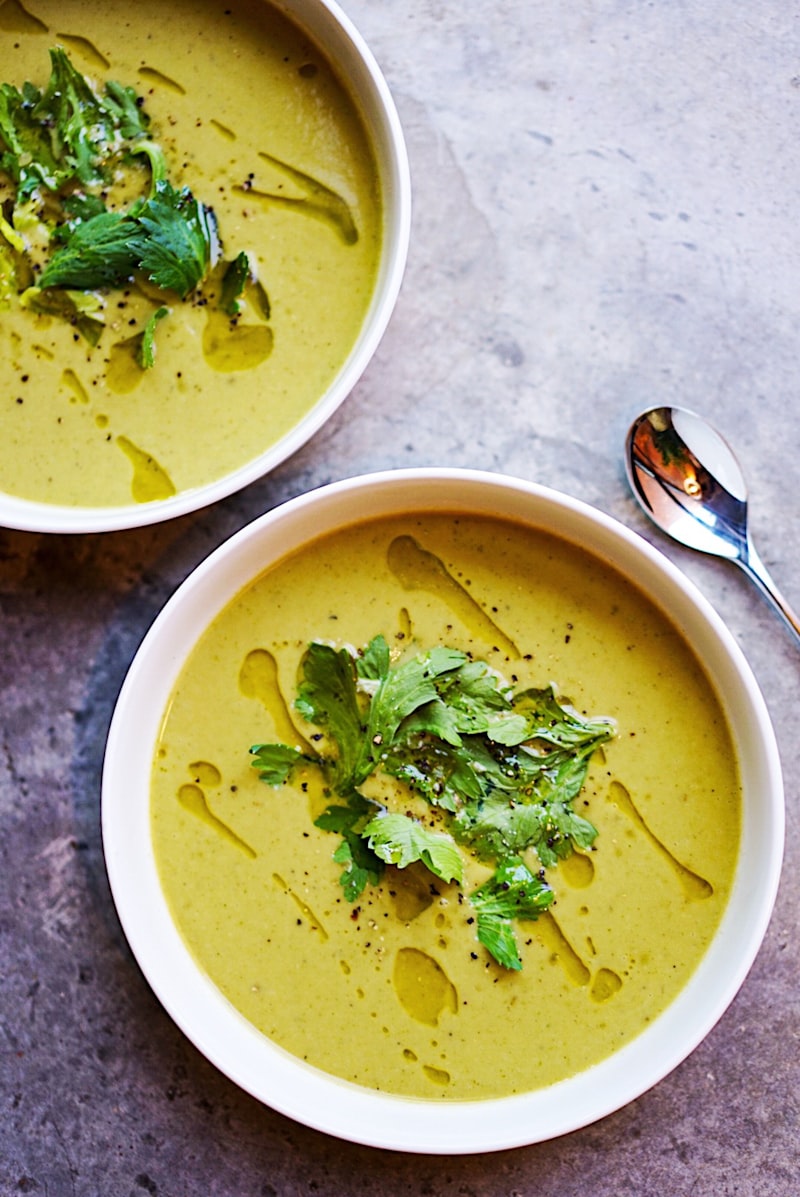
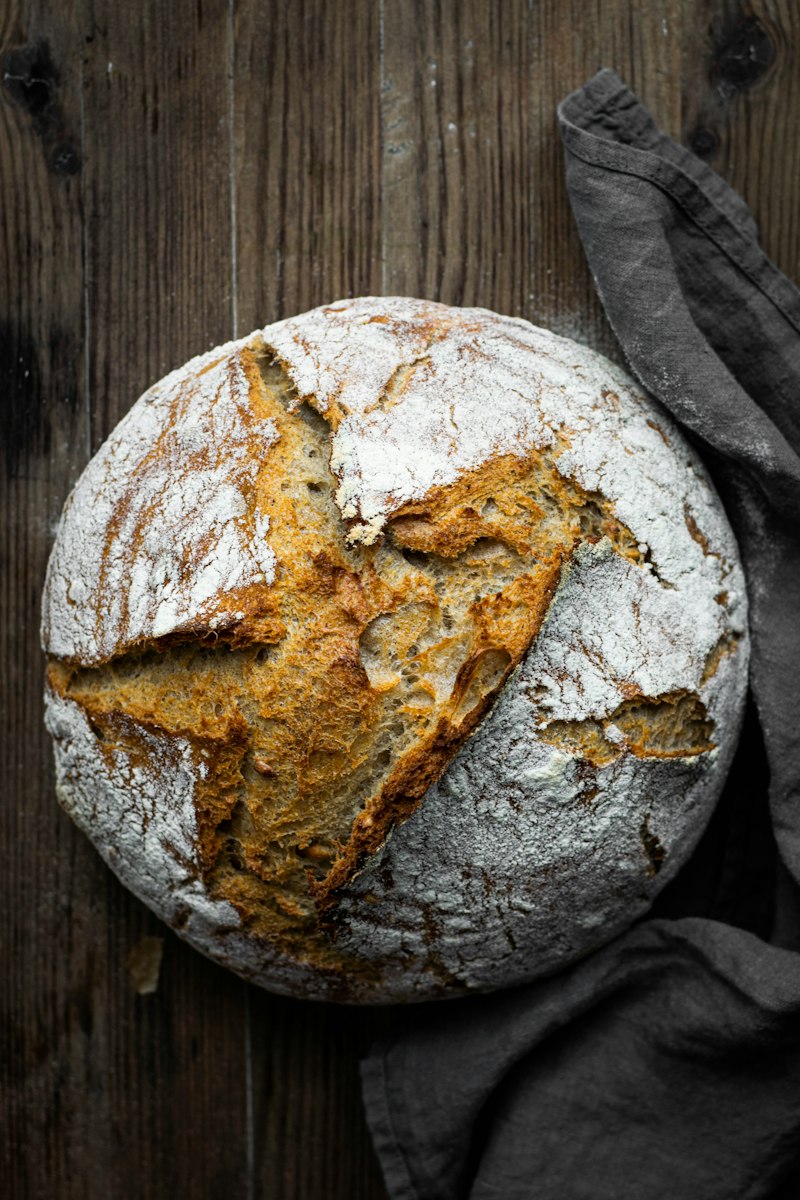
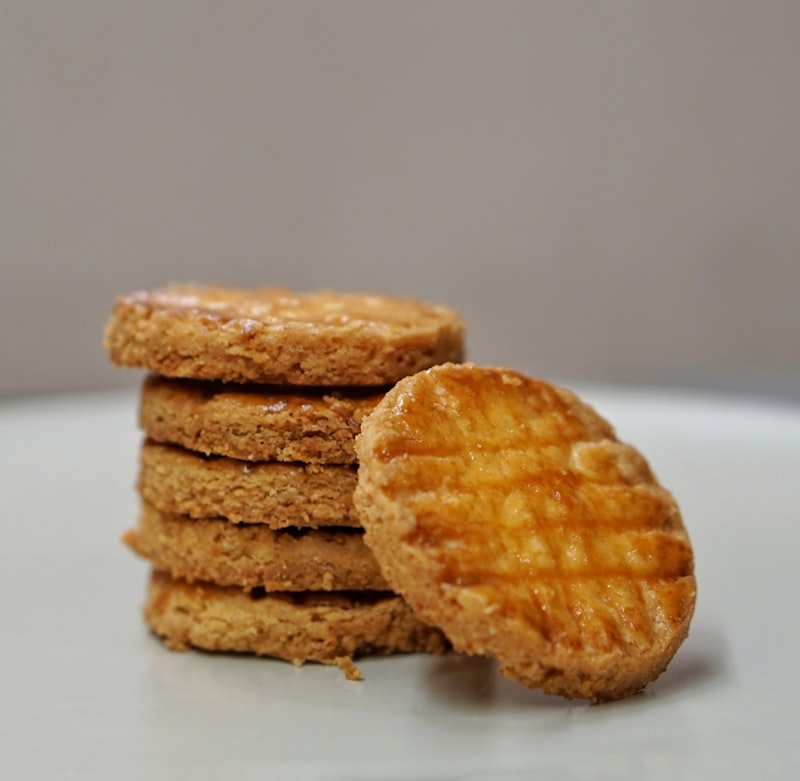
A rustic Catalan dish plated on a dark wooden table
Cuina Catalana · The Catalan Table

Catalan Cooking Without Vegetable Oil

From the fishing villages of the Costa Brava to the farmhouses of the interior, Catalonia has always cooked with olive oil from its own groves, a spoon of llard, and good butter. No seed oils, no shortcuts, just the slow, generous cooking of the Catalan table.

Oli d'Oliva Llard Mantega
Oli d'Oliva

Olive Oil First

Catalonia's kitchens were built on olive oil pressed from Arbequina groves. Every stew, sauce, and slice of tomato bread in this collection begins with it, never with a refined seed oil.

Sofregit

The Slow Sofregit

Sofregit, onion and tomato melted patiently in olive oil until dark and sweet, is the quiet foundation of Catalan cooking. It cannot be rushed, and it cannot be made with anything else.

Mai

Never Vegetable Oil

No seed oils, no shortcuts. Only the traditional fats that the masies and fishing ports of Catalonia have trusted for generations: olive oil, llard, and butter.

From Our Kitchen

Catalan Recipes

Six beloved dishes from the tables of Catalonia, each cooked with the honest fats that bring out the best in every ingredient.

Esmorzar Rustic country bread loaves for pa amb tomaquet on a bakery board

Pa amb Tomàquet

Catalan tomato bread

15 min·4 servings·Easy

The soul of Catalonia on a slice of bread. Toasted country loaf rubbed with ripe tomato and garlic, finished with good olive oil and flaky salt.

Ingredients

  • 8 thick slices of pa de pagès or other rustic country loaf
  • 4 very ripe hanging tomatoes (tomàquets de penjar) or small vine tomatoes
  • 2 garlic cloves, peeled and halved
  • Extra virgin olive oil, preferably Arbequina
  • Flaky sea salt
  • Anchovy fillets in olive oil, to top (optional)
  • Thin slices of cured ham, to top (optional)
  • Manchego or other firm sheep cheese, to top (optional)
  • A few olives, to serve
  • Freshly ground black pepper (optional)

Instructions

  1. Toast the bread slices over a grill, under a broiler, or in a hot dry pan until golden with lightly charred edges.
  2. While the bread is still hot, rub one side of each slice gently with the cut face of a garlic clove.
  3. Halve the tomatoes across their middles and rub the cut side over the garlic side of the bread, pressing so the pulp and juice soak in and only the skin remains in your hand.
  4. Drizzle each slice generously with olive oil, letting it pool a little in the crumb.
  5. Scatter with flaky salt and eat at once, plain or topped with anchovies, ham, or cheese.
Masia Pollastre amb samfaina, braised chicken served with stewed vegetables

Pollastre amb Samfaina

Chicken with samfaina

1 hr 20 min·4 servings·Medium

A farmhouse classic. Chicken browned in olive oil, then braised slowly in samfaina, the silky Catalan stew of eggplant, peppers, and tomato.

Ingredients

  • 8 chicken thighs, bone in, skin on
  • Salt and freshly ground black pepper
  • 6 tbsp extra virgin olive oil
  • 1 large onion, finely chopped
  • 1 medium eggplant, cut into 2 cm cubes
  • 1 red bell pepper, cut into strips
  • 1 small zucchini, cut into half moons
  • 4 ripe tomatoes, grated, skins discarded
  • 3 garlic cloves, sliced
  • 1 bay leaf and 100 ml dry white wine

Instructions

  1. Season the chicken well. Warm 3 tbsp of the olive oil in a wide heavy pot and brown the thighs deeply on both sides, about 10 minutes, then set aside.
  2. Add the remaining oil to the pot and soften the onion with a pinch of salt for 10 minutes until sweet and golden.
  3. Add the eggplant, pepper, and zucchini and cook 12 to 15 minutes, stirring now and then, until collapsed and glossy.
  4. Stir in the garlic and grated tomato and cook the sofregit down until thick and darkened, about 10 minutes.
  5. Pour in the wine, let it bubble away, then return the chicken with the bay leaf and any juices.
  6. Cover and simmer gently for 30 minutes, turning once, until the chicken is tender and the samfaina coats it like a sauce.
  7. Rest 5 minutes off the heat and serve with bread for the sauce.
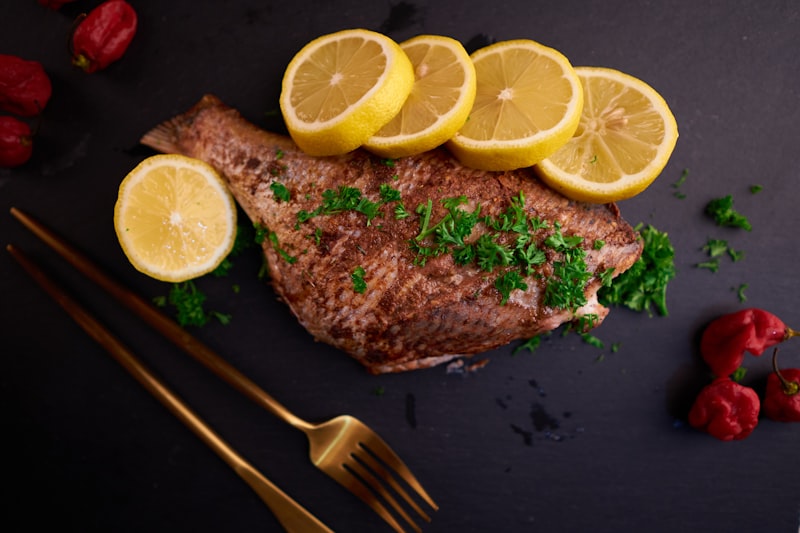
Costa Brava Suquet de peix, a fillet of fish with herbs from the Catalan coast

Suquet de Peix

Fishermen's potato and fish stew

50 min·4 servings·Medium

The stew Costa Brava fishermen cooked on board with the day's catch. Potatoes simmered in a paprika sofregit, firm white fish, and a pounded picada to finish.

Ingredients

  • 600 g monkfish or hake, cut into thick pieces
  • 8 large raw prawns, shell on
  • 600 g waxy potatoes, broken into chunks
  • 5 tbsp extra virgin olive oil
  • 1 onion, finely chopped
  • 3 ripe tomatoes, grated
  • 1 tsp sweet paprika
  • 900 ml hot fish stock
  • For the picada: 12 toasted almonds, 1 slice fried bread, 2 garlic cloves, a few parsley leaves, a pinch of saffron
  • Salt and freshly ground black pepper

Instructions

  1. Warm 3 tbsp of the olive oil in a wide pot, sear the prawns 1 minute per side until pink, and set them aside.
  2. In the same oil, soften the onion 8 minutes, then add the grated tomato and cook the sofregit down until thick and brick colored.
  3. Stir in the paprika for 30 seconds, then add the potatoes and turn them in the sofregit.
  4. Pour in the hot stock, season, and simmer 20 minutes until the potatoes are nearly tender.
  5. Meanwhile pound the picada ingredients in a mortar with the remaining olive oil to a coarse paste.
  6. Nestle the fish into the pot, stir in the picada, and simmer gently 6 to 8 minutes more.
  7. Return the prawns for the final 2 minutes, check the salt, and serve in deep bowls.
L'Horta Escalivada, roasted vegetables dressed with olive oil in a bowl

Escalivada

Ember roasted vegetables

1 hr·4 servings·Easy

From escalivar, to cook in embers. Whole eggplants, peppers, and onions roasted until soft and smoky, torn into ribbons and dressed with olive oil.

Ingredients

  • 2 medium eggplants
  • 3 red bell peppers
  • 2 sweet onions, unpeeled
  • 2 ripe tomatoes (optional)
  • 6 tbsp extra virgin olive oil, plus more for roasting
  • 1 small garlic clove, very finely sliced
  • Flaky sea salt
  • A splash of sherry vinegar (optional)
  • Anchovy fillets, to serve (optional)
  • Toasted country bread, to serve

Instructions

  1. Heat the oven to 220°C (425°F), or better, prepare a grill with glowing embers.
  2. Rub the whole vegetables lightly with olive oil and set them on a tray or directly over the fire.
  3. Roast, turning occasionally, until blackened outside and completely soft inside: about 25 minutes for tomatoes, 40 minutes for peppers and eggplants, 50 minutes for onions.
  4. Pile the vegetables in a bowl, cover, and let them steam 15 minutes so the skins loosen.
  5. Peel everything with your fingers, never under running water, and tear the flesh into long ribbons.
  6. Arrange on a platter, scatter with garlic and salt, and dress generously with olive oil and a splash of vinegar if you like.
  7. Rest 20 minutes at room temperature and serve with toasted bread and anchovies.
Hivern Escudella, a steaming bowl of Catalan winter broth with vegetables

Escudella i Carn d'Olla

The great Catalan winter soup

3 hr·6 servings·Medium

Catalonia's grand two course soup. A deep broth of meats and vegetables served first with galets pasta, followed by the carn d'olla, the meats themselves.

Ingredients

  • 500 g beef or veal shank
  • 2 chicken legs
  • 1 ham bone and 1 fresh botifarra sausage
  • 200 g cooked chickpeas
  • Half a green cabbage, in wedges
  • 2 carrots, 2 potatoes, and 1 leek, in large pieces
  • 150 g galets (large snail shell pasta)
  • For the pilota: 250 g ground pork, 1 egg, 2 tbsp breadcrumbs, 1 garlic clove, chopped parsley
  • 1 tbsp llard (lard) or olive oil
  • Salt and freshly ground black pepper

Instructions

  1. Put the shank, chicken, and ham bone in a large pot with 3 litres of cold water, bring slowly to a simmer, and skim well.
  2. Simmer gently, partly covered, for 1 hour 30 minutes, skimming now and then.
  3. Mix the pilota ingredients, season, and shape into one large oval dumpling dusted with flour.
  4. Add the vegetables, chickpeas, botifarra, the llard, and the pilota, and simmer 45 minutes more.
  5. Strain off the broth into a second pot, keeping the meats and vegetables warm, and boil the galets in the broth 15 minutes.
  6. Serve the escudella first, the broth with its pasta, steaming in deep bowls.
  7. Follow with the carn d'olla: the sliced meats, pilota, and vegetables arranged on a platter.
Postres Crema catalana, a burnished custard dessert ready for the table

Crema Catalana

Burnt sugar custard

40 min + chilling·6 servings·Easy

The beloved dessert of Sant Josep's day. Silky custard scented with cinnamon and citrus peel, hidden under a thin sheet of crackling burnt sugar.

Ingredients

  • 1 litre whole milk
  • 1 cinnamon stick
  • Peel of 1 lemon, in wide strips, no pith
  • Peel of half an orange, in wide strips
  • 8 egg yolks
  • 180 g sugar, plus 6 tbsp for the tops
  • 40 g cornstarch
  • A pinch of salt
  • A knob of butter, for the ramekins
  • Fresh berries, to serve (optional)

Instructions

  1. Warm the milk with the cinnamon and citrus peels until steaming, then cover and infuse off the heat for 20 minutes.
  2. Whisk the yolks with the sugar, cornstarch, and salt until pale and smooth.
  3. Strain the warm milk gradually into the yolks, whisking constantly.
  4. Return everything to the pan over low heat and stir without stopping until the custard thickens enough to coat the spoon. Never let it boil.
  5. Divide between six lightly buttered shallow ramekins, cool, and chill at least 4 hours.
  6. Just before serving, dust each custard evenly with a tablespoon of sugar and caramelize with a hot iron or kitchen torch until deep amber.
  7. Let the sugar harden 1 minute so it cracks under the spoon, and serve at once.
Our Kitchen

The Kitchen Behind Leitda Cuina

Leitda Cuina is a small home kitchen devoted to the cooking of Catalonia, a land that eats with the seasons, starts its mornings with tomato rubbed bread, and believes a sofregit is worth every minute it takes. We write these recipes down the way they are still cooked in the masies of the interior and the ports of the coast, patiently, precisely, and always with a generous pour of olive oil.

Our only house rule is an old one: olive oil from the grove, llard rendered the traditional way, butter from the dairy, and nothing else. Vegetable oil never comes through our door, because it never sat on the tables we learned from.

Bon profit, may it feed you well.

A cook working at a warm stove in a busy home kitchen